

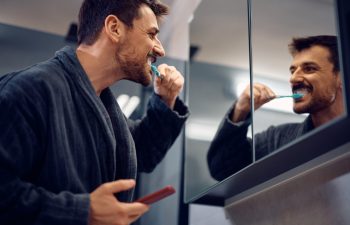
It’s one of the most common questions patients ask during their dental visits, and you’ve probably wondered about it yourself while standing in the toothbrush aisle at Target: Is an electric toothbrush really worth the investment, or does a manual toothbrush do the job just as well?
The short answer is that both can effectively clean your teeth—if you use them correctly. But there’s more to the story, and understanding the differences can help you make the best choice for your smile and your lifestyle. At Smiles By Seese in Davidson, Dr. Brian Seese helps patients navigate these everyday oral health decisions because what happens at home between dental visits matters just as much as professional care.
What the Research Actually Says
Multiple studies have compared electric and manual toothbrushes head-to-head, and the results consistently show a slight edge for electric models. A comprehensive review of clinical trials found that oscillating-rotating electric toothbrushes reduced plaque by 21% more than manual brushing and reduced gingivitis by 11% more after three months of use.
That said, “slight edge” is the key phrase here. The difference isn’t dramatic enough that using a manual toothbrush means you’re doing something wrong. What matters far more than which type of brush you use is how you use it—and that’s where the real conversation begins.
The Case for Electric Toothbrushes
Electric toothbrushes offer several advantages that can make a meaningful difference for certain people:
- Built-In Timers: Most electric toothbrushes include two-minute timers that help ensure you’re brushing long enough. Studies show that most people brush for only 45-70 seconds with a manual toothbrush—far short of the recommended two minutes.
- Consistent Motion: Electric brushes deliver thousands of brush strokes per minute in a consistent pattern, removing guesswork from technique. This can be especially helpful for people who tend to brush too aggressively or inconsistently.
- Pressure Sensors: Many models alert you when you’re pressing too hard, which protects against enamel wear and gum recession caused by aggressive brushing.
- Easier for Limited Mobility: For children, elderly patients, people with arthritis, or anyone with dexterity challenges, the powered motion makes effective brushing much easier.
- Quadrant Pacers: Some brushes signal when to move to a different area of your mouth, ensuring even coverage rather than over-brushing some areas and neglecting others.
- Engagement Factor: For kids especially, electric toothbrushes can make brushing more fun and engaging, leading to better compliance with brushing routines.
The Case for Manual Toothbrushes
Manual toothbrushes have advantages of their own that shouldn’t be dismissed:
- Cost: A quality manual toothbrush costs a few dollars and should be replaced every three months. Electric toothbrushes require a larger upfront investment plus ongoing costs for replacement heads.
- Portability: Manual brushes are lighter, don’t require charging, and are easier to pack for travel.
- Simplicity: No batteries to charge, no malfunctions, no learning curve. You pick it up and brush.
- Accessibility: Available everywhere, from convenience stores to hotel front desks to airport shops.
- Gentleness Control: With practice, you have complete control over pressure and technique, which some people prefer.
When an Electric Toothbrush Makes a Real Difference
While both options can work well, certain situations tip the scales toward electric:
- History of Gum Disease: If you’ve been treated for gingivitis or periodontitis, the superior plaque removal of electric brushes can help prevent recurrence.
- Orthodontic Treatment: Brackets and wires create additional surfaces where plaque accumulates. Electric brushes can be more effective at cleaning around braces.
- Difficulty with Technique: If your dental team consistently finds plaque buildup in the same areas, an electric brush might help you reach those trouble spots more effectively.
- Short Brushing Time: If you know you’re a “quick brusher,” the built-in timer ensures you’re getting the full two minutes even when you’re in a hurry.
- Physical Limitations: Anyone who struggles with the fine motor movements required for proper manual brushing technique will benefit from electric.
- Children and Teens: The novelty and timers often lead to better brushing habits in younger patients.
Technique Still Matters
Here’s the truth that sometimes gets lost in the electric vs. manual debate: technique matters more than technology. A manual toothbrush used correctly will outperform an electric toothbrush used carelessly.
For manual brushing, the key points include holding the brush at a 45-degree angle to the gumline, using gentle circular or short back-and-forth strokes, brushing all surfaces (outer, inner, and chewing), and taking the full two minutes to do a thorough job.
For electric brushing, let the brush do the work—you simply need to guide it slowly across all tooth surfaces without scrubbing. Many people make the mistake of using the same aggressive motion they’d use with a manual brush, which isn’t necessary and can actually cause harm.
Regardless of which type you choose, replace your brush or brush head every three to four months, or sooner if the bristles become frayed. Worn bristles don’t clean effectively.
What About Sonic vs. Oscillating?
If you’ve decided to go electric, you’ll encounter two main types:
- Oscillating-Rotating: These brushes have small, round heads that rotate back and forth. They’re the type most studied in clinical research and have the strongest evidence for plaque removal.
- Sonic/Vibrating: These brushes vibrate at high frequencies, creating fluid dynamics that can help disrupt plaque even slightly beyond where bristles touch. They typically have brush heads shaped more like manual toothbrushes.
Both types work well. The “best” choice often comes down to personal preference—some people prefer the feel of one over the other.
The Bottom Line for Davidson Families
The best toothbrush is the one you’ll actually use correctly, consistently, twice a day, for two full minutes. For some people, that’s a $3 manual brush. For others, a $200 electric model with all the bells and whistles makes the difference between mediocre and excellent oral hygiene.
If you’re unsure which option is right for you or your family members, ask during your next visit. Dr. Seese and our team can evaluate your specific situation—including any areas where plaque tends to accumulate, your brushing habits, and any physical considerations—and make a personalized recommendation.
What we care about most isn’t which tool you choose. It’s that you’re brushing effectively, flossing daily, and coming in for regular checkups so we can catch any problems early and keep your smile healthy for life.
Schedule Your Next Checkup at Smiles By Seese
Whether you’re Team Electric or Team Manual, Dr. Brian Seese and our team at Smiles By Seese are here to support your oral health goals. We provide comprehensive family dentistry for patients of all ages throughout Davidson, Cornelius, Mooresville, and the surrounding Lake Norman communities. Contact our office to schedule your next cleaning and checkup—we’ll make sure your brushing routine is working for you.
Posted on behalf of
610 Jetton St. Suite 250
Davidson, NC 28036
Phone: (704) 895-5095
Email: info@smilesbyseese.com
Monday (once/month): 8AM – 5PM
Tuesday - Thursday: 8AM – 5PM
Friday: 8AM – 3PM